Understanding Your Landscaping Options in Arlington
If you're a homeowner in Arlington, you've probably wondered what the best choice is for your yard. The debate between turf vs artificial grass has become increasingly important as Texas experiences periodic droughts and water restrictions. Beyond those two options, many homeowners are also discovering the benefits of native plant landscaping. Each approach has real advantages and genuine drawbacks, and the right choice depends on your lifestyle, budget, and environmental priorities.
The Texas climate presents unique challenges for traditional lawns. Hot summers, unpredictable rainfall, and periods of water conservation make yard maintenance more complicated than it used to be. This is why understanding the differences between natural grass, artificial alternatives, and native plantings has become essential for making an informed decision about your outdoor space.
Natural Grass (St. Augustine): The Traditional Choice
St. Augustine grass has been the go-to option for Arlington homeowners for generations. This warm-season grass thrives in Texas heat and handles the region's humidity relatively well. It spreads through stolons (above-ground runners) rather than seeds, which means it can recover from damage and fill in bare spots naturally. For families who love the feel of real grass beneath their feet and want that authentic lawn aesthetic, St. Augustine remains a solid choice.
However, maintaining St. Augustine grass in Arlington requires consistent effort and water. During summer months, you'll need to water regularly to keep the lawn green, especially during drought periods when restrictions may apply. The grass also demands weekly mowing during the growing season, fertilization schedules, pest management, and occasional aeration to prevent thatch buildup. Weeds can become problematic, particularly in spring and fall. When you add up water bills, fertilizer costs, equipment maintenance, and the time investment, natural grass becomes increasingly expensive. For homeowners who travel frequently or prefer a low-maintenance yard, St. Augustine quickly becomes a burden rather than a pleasure.
Artificial Grass: The Modern Alternative for Low-Maintenance Yards
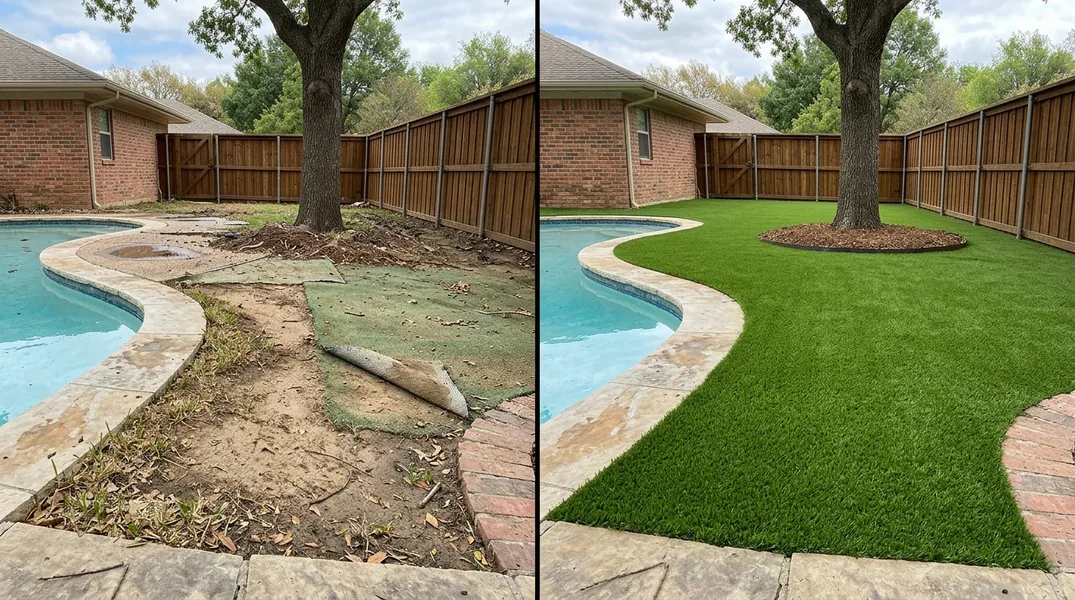
Residential Artificial Grass Installation has transformed dramatically over the past decade. Modern synthetic turf looks remarkably realistic, feels natural underfoot, and performs well in the Texas climate. The most significant advantage is maintenance. After installation, artificial grass requires virtually no mowing, fertilizing, or watering. You simply rinse it occasionally to remove dust and debris. This means no water bills related to lawn irrigation, no equipment to maintain, and no weekend hours spent on yard work.
From a water conservation perspective, artificial grass is unbeatable. In a state where drought is a recurring concern, eliminating lawn irrigation can save thousands of gallons annually. This aligns perfectly with environmental responsibility and helps you avoid water restrictions that affect natural lawns. The turf is pet-friendly and can handle heavy foot traffic without developing bare patches. Many homeowners appreciate the consistent appearance year-round. Whether you're considering Pet Turf & Dog Run Installation or a standard residential lawn, artificial grass adapts to various uses. The initial investment is higher than natural grass, but the long-term savings in water, maintenance, and time often justify the cost within five to seven years.
Native Plants and Xeriscaping: The Sustainable Approach
Xeriscaping and native plant landscaping represent a fundamentally different philosophy about yard design. Rather than trying to maintain a traditional lawn, this approach celebrates plants naturally adapted to North Texas conditions. Native species like native grasses, Texas sage, esperanza, lantana, and various wildflowers thrive with minimal supplemental water once established. They require no fertilizer, no pesticides, and no mowing. Over time, a native landscape becomes more resilient and supports local pollinators, birds, and beneficial insects.
The beauty of drought tolerant landscaping lies in its long-term sustainability and ecological benefits. Native plantings create natural habitats while reducing your environmental footprint. However, this approach requires a different mindset about what a yard should look like. Native landscapes don't offer the uniform, manicured appearance of a traditional lawn. The initial design and installation phase demands more planning and expertise to create an attractive, functional space. Additionally, establishment can take one to two years, during which you'll need to water new plantings. Some homeowners find the aesthetic transition challenging, though many discover that the diverse colors, textures, and wildlife activity become deeply rewarding.
Comparing Cost and Long-Term Value
When evaluating turf vs artificial grass alongside native plantings, cost analysis must extend beyond the initial installation. Natural St. Augustine grass has the lowest upfront cost, but ongoing expenses accumulate quickly. Water bills during summer can easily reach $100 to $200 monthly for a typical Arlington home with lawn irrigation. Add fertilizer, weed control, equipment maintenance, and occasional professional services, and annual costs typically range from $800 to $1,500. Over ten years, that's $8,000 to $15,000 in direct costs, not counting your personal time.
Artificial grass requires a higher initial investment, typically ranging from $8 to $15 per square foot installed, depending on the quality and site conditions. For a 2,500-square-foot lawn, you're looking at roughly $20,000 to $37,500 total. This seems substantial, but it includes no water bills, minimal maintenance supplies, and no equipment costs. After seven years, artificial grass becomes the more economical choice for most homeowners. Native plantings fall somewhere in between, with moderate installation costs and very low ongoing expenses once established. If you're interested in understanding specific investment levels for your property, Arlington Turf Installation offers a free estimate to help you make an informed decision.
Making Your Decision: Which Option Fits Your Lifestyle
The right choice ultimately depends on your priorities, lifestyle, and vision for your outdoor space. If you enjoy yard work, appreciate the authentic feel of natural grass, and don't mind water bills and regular maintenance, St. Augustine remains a viable option. If you prioritize convenience, water conservation, and year-round appearance without effort, artificial grass is the clear winner. If you're passionate about native plants, wildlife conservation, and creating a sustainable landscape that improves over time, xeriscaping deserves serious consideration.
Many Arlington homeowners find that a hybrid approach works best. You might install artificial turf in high-traffic areas or around patios while incorporating native plantings in other zones. This balanced strategy combines the benefits of multiple approaches while minimizing drawbacks. Whether you're leaning toward Residential Artificial Grass Installation or exploring other options, it's worth having a detailed conversation with landscaping professionals who understand Arlington's unique climate and soil conditions. Contact Arlington Turf Installation at (817) 670-4823 to discuss your specific situation and explore which solution makes the most sense for your home and budget.
Looking for a professional artificial grass installation company in Arlington? Arlington Turf Installation responds fast for all your artificial grass installation needs.
Get a Free Quote