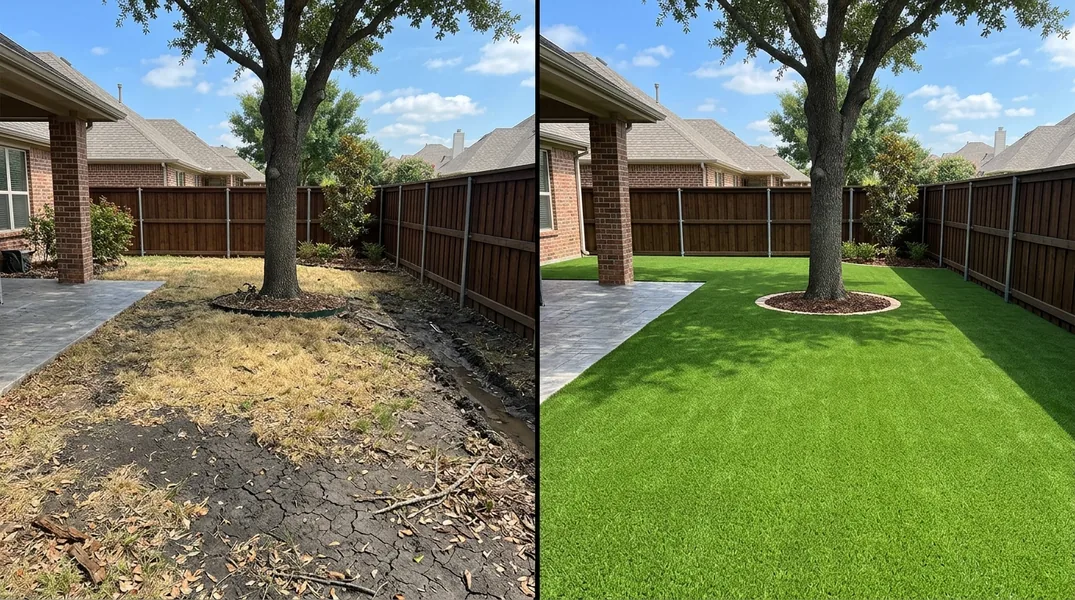
How Hot Does Artificial Grass Really Get in Arlington?
If you're considering Residential Artificial Grass Installation in Arlington, you've probably heard concerns about heat. The question is legitimate, especially in Texas summers where temperatures routinely climb into the high 90s and low 100s. The honest answer is yes, artificial grass does get hot, but the numbers matter more than the worry.
Real-world testing shows that synthetic turf in direct sunlight can reach 150 to 170 degrees Fahrenheit on a typical summer day in Arlington. That's significantly warmer than natural grass, which typically stays between 80 and 100 degrees because living grass transpires and releases moisture. The difference is real, but it's also manageable with the right installation choices and maintenance practices. Understanding these temperatures helps you make an informed decision about whether artificial turf is right for your home.
Why Artificial Grass Gets Hotter Than Natural Grass
The physics behind heat absorption in synthetic turf comes down to material composition and surface properties. Artificial grass is made from polyethylene or polypropylene fibers, which are dark colors and absorb solar radiation efficiently. Unlike natural grass, which has living roots that pull moisture from soil and release it into the air through transpiration, synthetic grass has no biological cooling mechanism. The infill material beneath the turf also plays a role. Traditional sand or rubber infill absorbs and retains heat, which contributes to higher surface temperatures.
The backing and drainage layers also affect heat retention. Lower-quality installations with poor drainage can trap heat and moisture, making the problem worse. This is why professional installation matters. When Arlington Turf Installation handles your project, we understand how to layer materials for optimal heat management and drainage, which keeps temperatures lower and performance higher throughout the year.
Cooling Infill Options: What Really Works
The most effective way to reduce artificial grass heat is to choose the right infill material. Cooling infill products have become increasingly popular and effective over the past five years. These specialized infills are designed to reflect more sunlight and dissipate heat more efficiently than traditional materials. Silica sand, which is standard in most installations, absorbs and holds heat. Cooling infills, by contrast, are engineered to stay cooler and help the turf surface remain more comfortable underfoot.
Crumb rubber infill, made from recycled tires, is another option, though it tends to retain heat more than cooling alternatives. Water-retention infills are newer products that hold moisture and release it gradually, similar to how natural grass works. These can reduce surface temperatures by 10 to 20 degrees Fahrenheit compared to standard infill. The trade-off is cost. Cooling infills typically cost more upfront, but for homeowners in Arlington who use their yards frequently during summer months, the investment pays dividends in comfort and usability. When you contact us for a free estimate, we can discuss which infill option fits your budget and lifestyle.
Practical Ways to Cool Your Artificial Grass Installation
Beyond infill selection, several practical strategies can reduce heat in your artificial turf. Shade is the most effective tool. If your yard has trees, positioning your turf installation in those areas will keep temperatures significantly lower. Even partial shade can make a noticeable difference. If natural shade isn't available, consider installing a pergola, shade sail, or even strategic landscaping with shrubs to create cooler zones. This approach is especially valuable for Pet Turf & Dog Run Installation areas, where your pets will appreciate cooler ground during hot months.
Watering your artificial grass is another effective cooling method that many homeowners overlook. A light spray of water on a hot day can reduce surface temperatures by 20 to 30 degrees. This doesn't damage the turf and actually helps extend its lifespan by preventing UV degradation. Think of it as giving your lawn a refreshing mist on hot afternoons. Proper ventilation and airflow also help. Avoid installing turf in areas with poor air circulation, and make sure your installation includes adequate drainage to prevent heat-trapping moisture buildup underneath.
Is Heat a Deal Breaker for Your Yard?
For most homeowners, the heat generated by artificial grass is not a practical problem. Yes, the surface gets hot, but you're not walking barefoot on it during peak afternoon sun very often. Most people use their yards in early morning, evening, or cooler months. If you have young children or pets who spend extended time on the grass during the hottest part of the day, that's a legitimate consideration worth addressing with cooling infill or shade solutions.
The real benefit of artificial turf is the elimination of watering, mowing, and maintenance. For busy Arlington families, that convenience often outweighs concerns about occasional heat. The turf is also safer than natural grass in many ways, with no mud, fewer pests, and consistent playing surfaces for sports and recreation. If you're still weighing the pros and cons, Arlington Turf Installation can walk you through your specific situation. Call us at (817) 670-4823 or request a free estimate to discuss your yard, your concerns, and the best solutions for your home.
Residential Artificial Grass Installation Cost in Arlington: What to Budget
When you factor in heat management, the cost of your artificial grass project will vary based on infill choice, yard size, and installation complexity. Standard installations with basic silica sand infill are the most affordable option. Cooling infill products add 10 to 20 percent to the overall cost, depending on the type and coverage area. For a typical residential yard in Arlington, you can expect cooling infill to add several hundred to a couple thousand dollars, depending on square footage.
The good news is that investing in cooling infill is often offset by the long-term savings on water bills and maintenance. When you request a free estimate from Arlington Turf Installation, we'll provide transparent pricing for your specific project, including options at different price points. We can show you exactly how much cooling infill costs and help you decide if it's worth the investment for your situation. Quality installation also matters for heat management, so choosing an experienced local contractor ensures your turf is installed correctly to minimize heat retention from the start.
Looking for a professional artificial grass installation company in Arlington? Arlington Turf Installation responds fast for all your artificial grass installation needs.
Get a Free Quote