Understanding HOA Artificial Grass Rules in Arlington
If you own a home in an HOA-governed community in Arlington, you already know that the homeowners association sets specific guidelines for property appearance and maintenance. Artificial grass has become increasingly popular among homeowners looking to reduce water usage, eliminate mowing, and maintain a consistently green lawn year-round. However, not all HOAs view synthetic turf the same way, and many have strict rules about what materials can be used in front yards.
The good news is that artificial grass technology has improved dramatically over the past decade. Modern synthetic turf looks far more realistic than the plastic-looking products of the past, and many HOAs are beginning to recognize the environmental and practical benefits. That said, your HOA board may still have concerns about quality, drainage, appearance standards, or long-term durability. Understanding your specific community's rules before you invest in Residential Artificial Grass Installation is essential to avoid costly mistakes or having to remove and replace your new lawn.
Common HOA Turf Rules in Texas and Arlington
Texas HOAs, particularly those in the Arlington area, often have detailed covenants, conditions, and restrictions (CC&Rs) that address landscaping and lawn materials. Some communities prohibit artificial grass entirely, viewing it as incompatible with the neighborhood aesthetic. Others allow it only in backyard areas, while progressive HOAs have updated their bylaws to permit high-quality synthetic turf in front yards under specific conditions.
Common restrictions you may encounter include requirements for the turf to look natural and closely match the appearance of healthy, well-maintained natural grass. Many HOAs specify that artificial grass must have a certain pile height, color range, and drainage capability. Some require that the product be from an approved manufacturer or meet industry standards. Additionally, HOAs often mandate that installation be performed by licensed professionals rather than homeowners attempting DIY projects. Understanding these nuances helps you prepare a stronger case when you approach your HOA board for approval.
The HOA Submittal and Approval Process for Artificial Grass
Before installing any artificial grass in your front yard, you'll need to submit a formal request to your HOA for approval. This process typically begins with obtaining a copy of your community's architectural review guidelines or submitting a request for architectural approval through your HOA's designated committee. Most HOAs have a specific form you must complete, and you'll need to provide detailed information about the project, including the product specifications, installation timeline, and contractor information.
Your submittal should include samples of the artificial grass you plan to install, high-resolution photos showing the product's appearance, and documentation of the manufacturer's specifications. Many HOAs appreciate receiving information about the turf's durability, UV resistance, drainage system, and any environmental certifications it may have. If you're working with a professional installer like Arlington Turf Installation, having them provide technical documentation and references can significantly strengthen your application. The more thorough and professional your submittal, the more seriously the HOA board will consider your request.
The approval timeline varies by community but typically ranges from two to four weeks. Some HOAs require a formal hearing where homeowners can present their case before the architectural review board. Others make decisions based on written submissions alone. Once approved, you'll usually receive written authorization specifying any conditions or requirements the HOA has imposed on your installation. Keep this documentation for your records, as it protects you if any disputes arise later.
Key Documentation and Specifications HOAs Want to See
HOA boards aren't trying to be difficult when they request extensive documentation. They're protecting property values and community aesthetics for all residents. When you submit your artificial grass proposal, be prepared to provide product specifications that address the board's likely concerns. This includes the turf's pile height (typically measured in millimeters), blade texture, color options, and how closely it mimics natural grass. Include information about the backing material, infill type, and drainage capabilities, as proper drainage is crucial for preventing water pooling and odors.
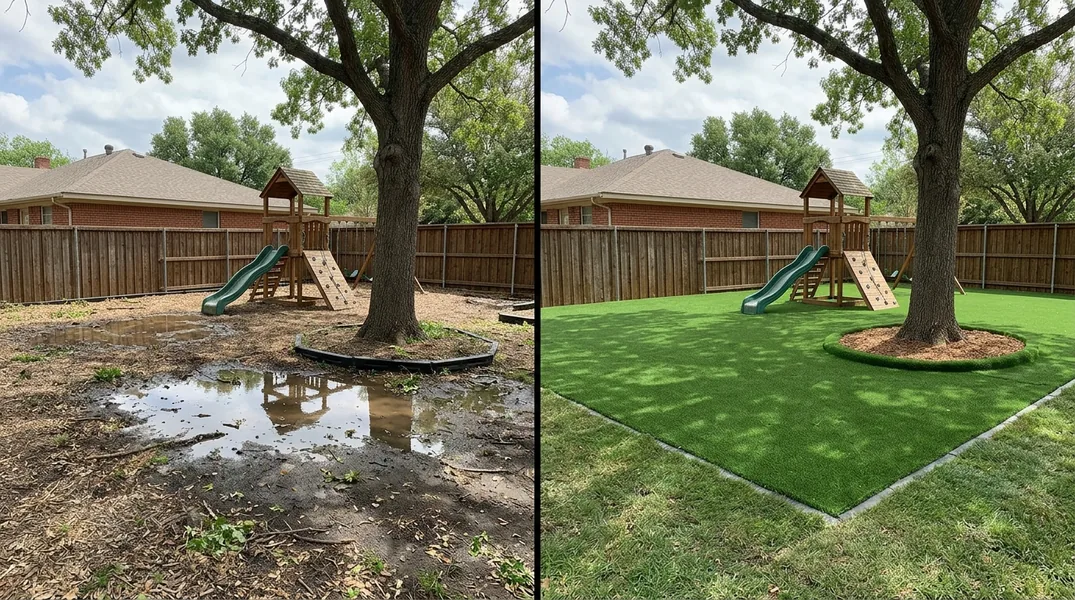
Manufacturers of quality artificial grass typically provide technical datasheets that detail UV stability, temperature resistance, and expected lifespan. Many products are now made from recyclable materials or designed with sustainability in mind, which can appeal to environmentally conscious HOA boards. Request your installer provide certifications or compliance documentation showing that the product meets industry standards. Additionally, including before-and-after photos of similar installations in comparable communities can help the board visualize how your front yard will look and demonstrate that artificial grass can enhance neighborhood curb appeal when done professionally.
Working With Professional Installers to Strengthen Your HOA Application
One of the smartest moves you can make when planning an artificial grass project in an HOA community is partnering with an experienced professional installer from the start. Arlington Turf Installation can provide valuable support throughout the approval process, including detailed project proposals, product specifications, and references from other HOA communities where we've completed successful installations. Professional installers understand HOA concerns and can address them proactively in your submittal package.
When you contact Arlington Turf Installation at (817) 670-4823 for a free estimate, mention that you're working with an HOA and need documentation to support your approval request. Our team can provide written guarantees about installation quality, product durability, and maintenance requirements. We can also explain the technical aspects of proper installation, including base preparation, drainage systems, and seaming techniques that ensure your artificial grass looks professional and lasts for years. Having this level of professional backing often makes the difference between approval and rejection.
Tips for Getting Your HOA to Approve Front Yard Artificial Grass
Securing HOA approval for artificial grass requires strategy and preparation. First, review your community's CC&Rs thoroughly to understand exactly what the rules say about lawn materials and landscaping. If the language is vague or outdated, you may have more flexibility than you initially think. Second, reach out to your HOA board or architectural review committee informally before submitting your formal application. Gauge their receptiveness and ask what specific concerns or requirements they have. This conversation can help you tailor your submittal to address their priorities directly.
Consider attending an HOA board meeting to understand how decisions are made and what factors influence approval. If you're in a progressive community, you might discover that other residents have already installed artificial grass successfully. Request copies of their approval documentation as examples. When you submit your application, include a cover letter explaining your reasons for choosing artificial grass, whether that's water conservation, reduced maintenance, or consistent appearance. Frame your request in terms of community benefits rather than just personal convenience. Emphasize that professional-grade artificial grass enhances curb appeal and property values when installed correctly by experienced contractors.
Finally, be prepared to negotiate. If your HOA has concerns about appearance, offer to install a product that closely matches natural grass or agree to specific maintenance standards. If they worry about drainage, provide technical documentation proving your chosen product handles water properly. Flexibility and willingness to address legitimate concerns significantly increase your chances of approval. Once approved, maintain your artificial grass according to HOA specifications to ensure continued compliance and set a positive example for other residents considering similar projects.
Looking for a professional artificial grass installation company in Arlington? Arlington Turf Installation responds fast for all your artificial grass installation needs.
Get a Free Quote